4th Summer School Summary
About the 4th Summer School
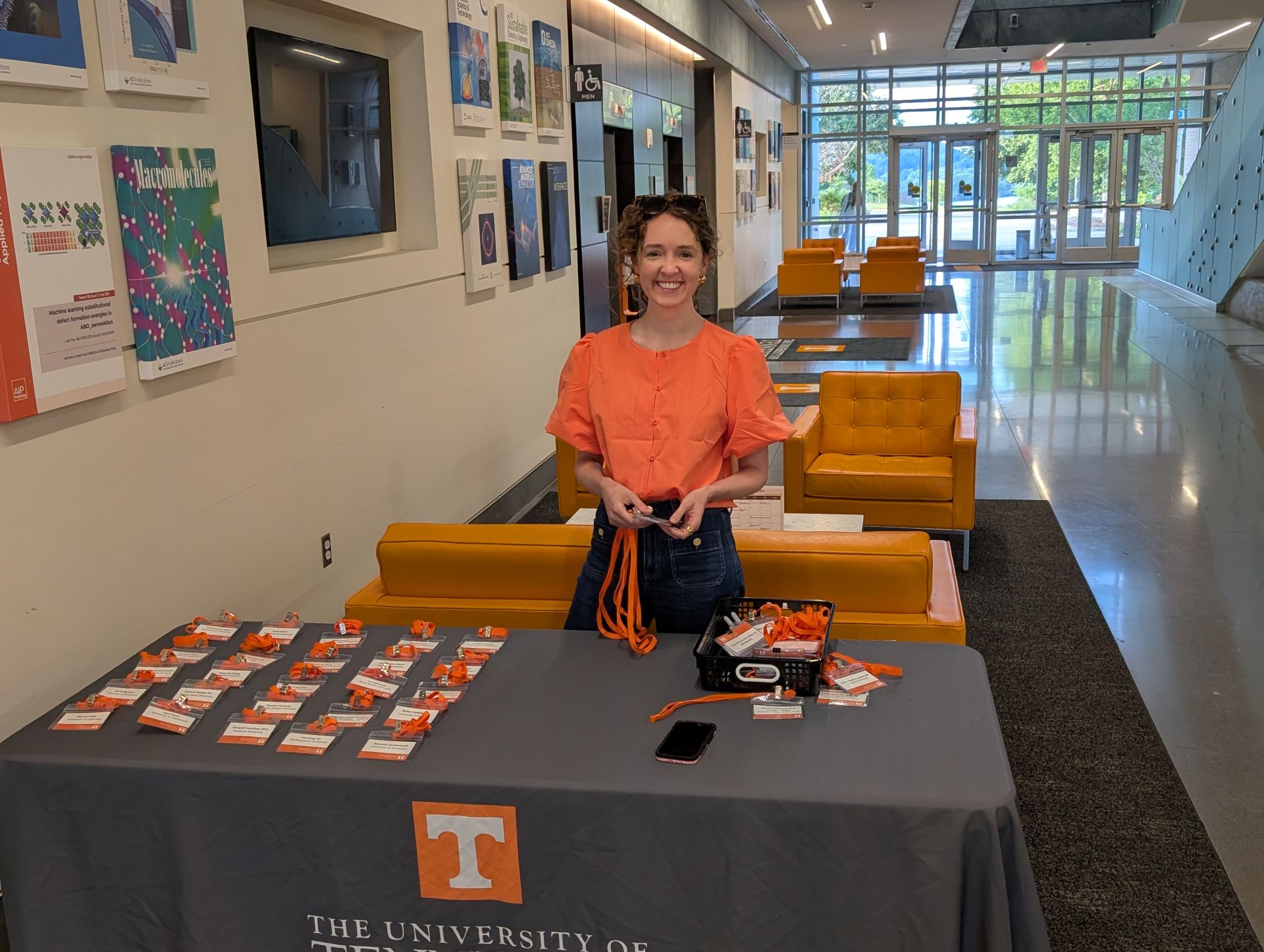
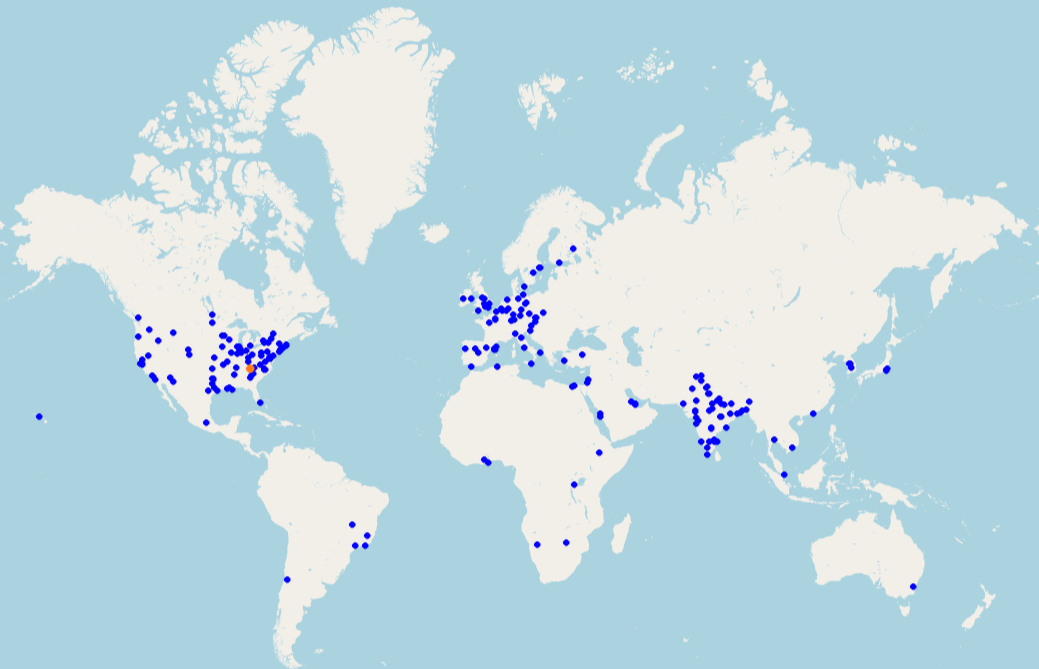
The 4th annual Summer School on Machine Learning for Electron Microscopy was a landmark event, drawing an incredible global audience of over 800 registered participants. Alongside the more than 250 active attendees engaging directly in our live sessions, the program's reach extended even further as hundreds of researchers across diverse time zones participated asynchronously, utilizing our comprehensive library of recorded lectures and materials.
Participants dove deep into the mechanics of self-driving labs, exploring how cloud connectivity, advanced application programming interfaces (APIs), and reward-based optimization are revolutionizing data collection. By bridging the gap between traditional microscopy and modern federated AI networks, the school successfully cemented the University of Tennessee, Knoxville's position at the forefront of autonomous scientific discovery.
Global Participation
Event Spotlight
Feedback Highlights
Learning & Inspiration
Participants gained a much clearer understanding of how AI/ML can be applied to electron microscopy and scientific research. Many commented that the school successfully connected theory with real-world applications and inspired new research directions.
Hands-on Experience
The notebooks, hackathons, coding exercises, and practical workflows were the most valuable part of the program. Participants appreciated working with real datasets and seeing complete analysis pipelines.
AI Agents & Autonomy
One of the strongest surprises for attendees was the content on autonomous microscopy, AI agents, digital twins, and closed-loop experimentation. Many described these sessions as eye-opening and motivating for their future research.
Accessibility
Several participants started with little or no background in ML or electron microscopy and felt the school gave them a strong foundation and confidence to continue learning.
What Participants Said
"The lectures on autonomous operation and real-time agentic workflows completely re-framed my long-term research goals."
"I really enjoyed the Summer School and came away with many ideas that I'm excited to apply to my PhD research."
"It completely solidified my trajectory toward computational materials science."
"The Summer School strengthened both my technical knowledge and my confidence in applying machine learning to research problems."
"The most surprising thread was the move toward autonomous and federated operation. It gave me a concrete picture of what ML for science looks like when it's actually closing the loop on an instrument."
"This was probably the first time I stayed engaged from 9:00 AM to 5:00 PM for an entire week without feeling exhausted."