About the Hackathon
Our Mission
The Machine Learning for Microscopy Hackathon accelerates the use of AI in microscopy and materials research. By connecting microscopy and machine-learning communities, we foster collaboration, open science, and reproducible workflows for imaging, spectroscopy, and automated experimentation.
Hackathon History
The first edition took place at the University of Tennessee, Knoxville, in 2024, with 250+ registrants and 80+ active participants from around the world.
The 2025 edition marked a major milestone, evolving into a massive 3-day multi-site hybrid event. As highlighted in our 2025 Event Summary, it connected over 250 participants across 12+ global sites and generated more than 70 innovative projects, proving the power of real-time collaboration across worldwide research centers.
Now, the upcoming 2026 edition aims to push these boundaries even further, bringing new challenges and expanding our global community of AI/ML and microscopy innovators.
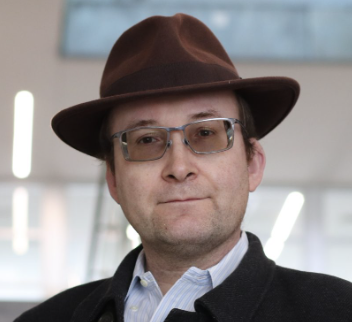
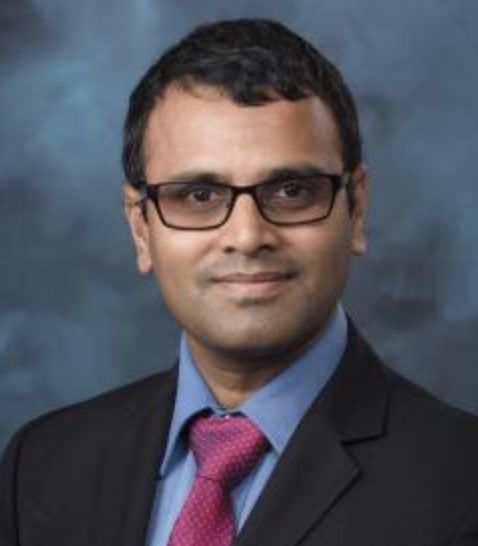
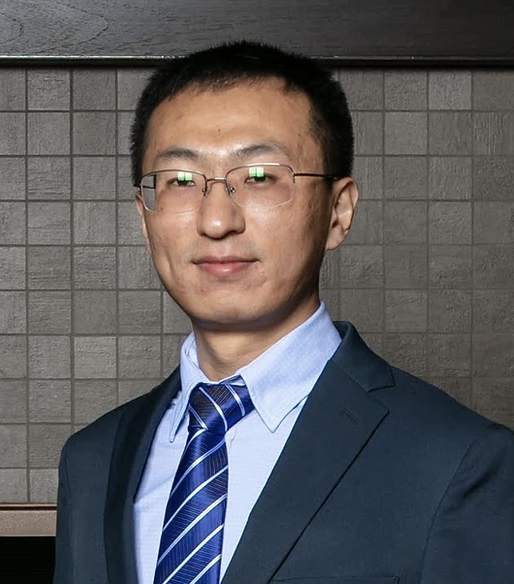
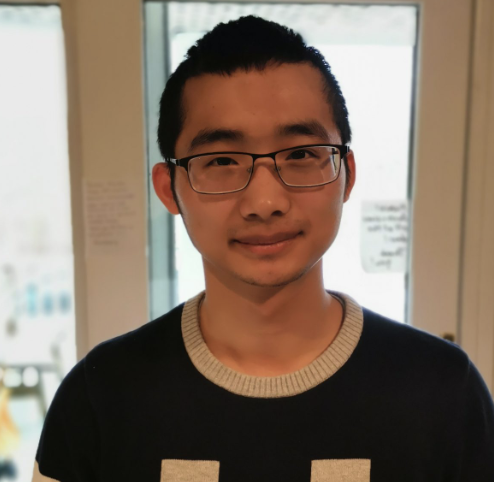
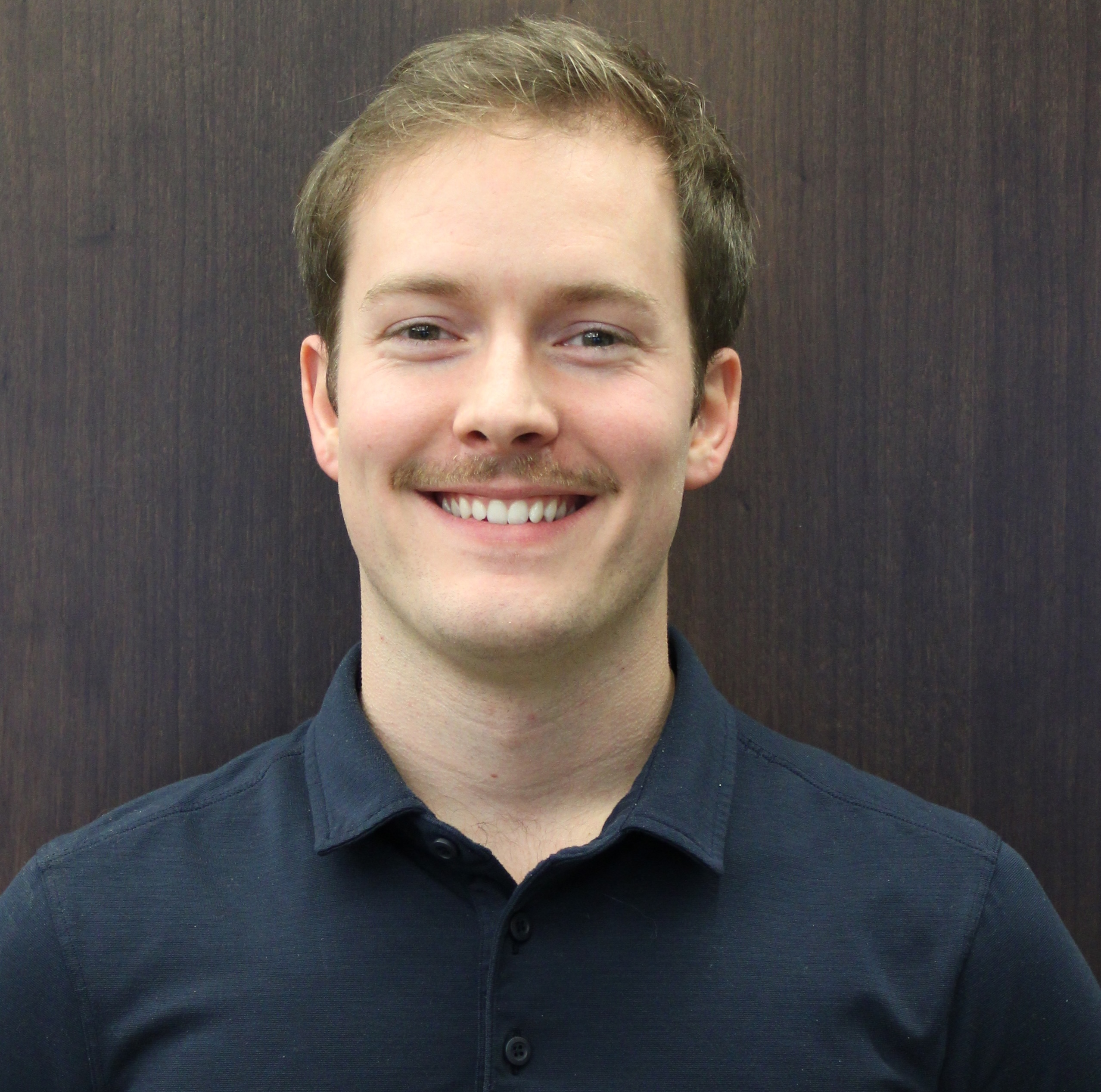
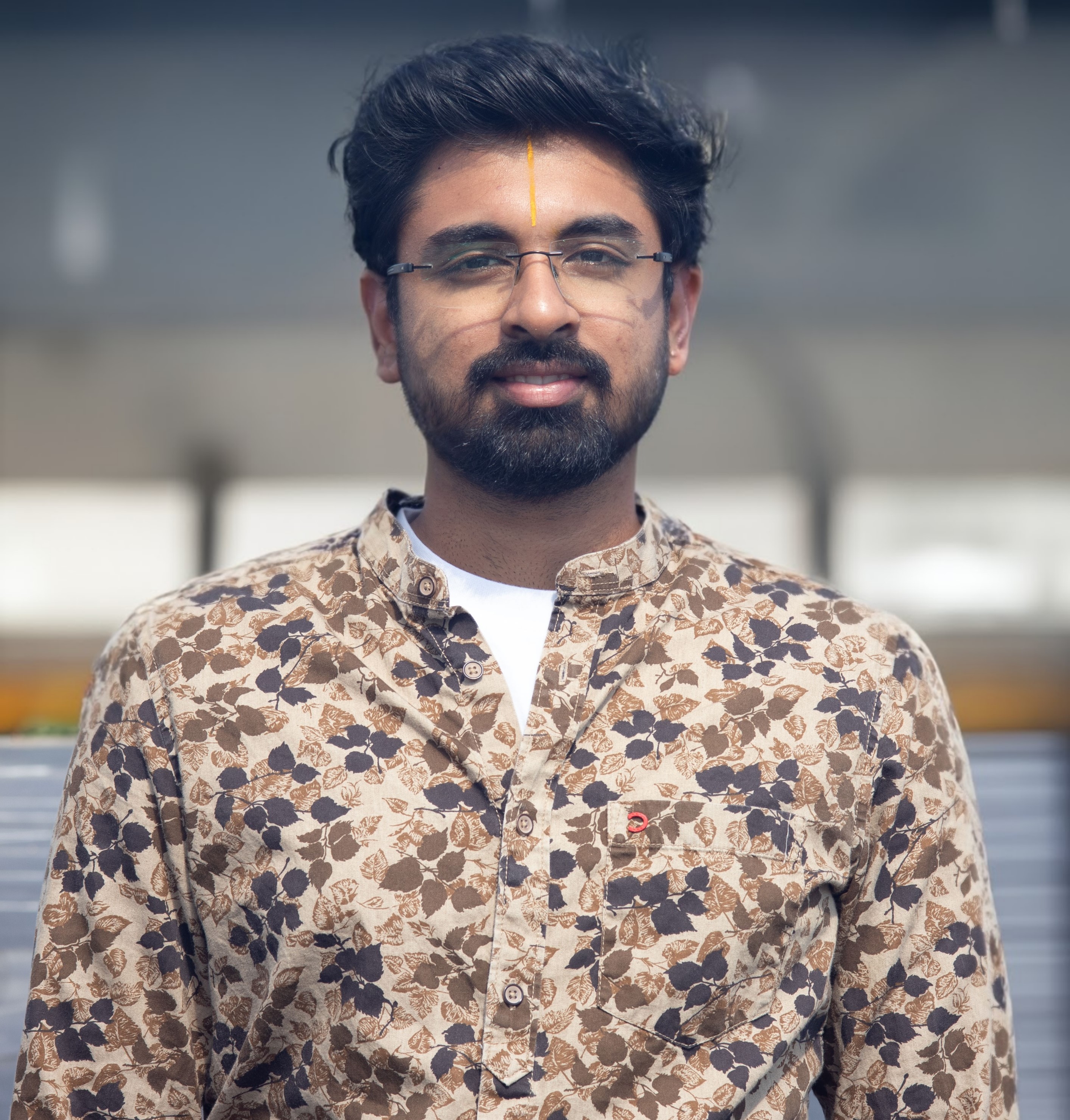
Core Organizing Team




How It Works
| Element | What to expect |
|---|---|
| Teams | Interdisciplinary groups mixing microscopy and ML backgrounds; remote and on-site collaboration. |
| Data & Tasks | Real microscopy datasets and challenges spanning imaging, spectroscopy, and automation. |
| Mentorship | Guidance from domain experts and tool builders; cross-site office hours and Slack support. |
| Outcomes | Working prototypes, analysis notebooks, and open-source contributions that persist post-event. |
Partners & Support
The hackathon is supported by the AI Tennessee Initiative and the Center for Advanced Materials & Manufacturing (CAMM), with participation from University of Tennessee Knoxville, North Carolina State University, Italian Institute of Technology (Italy), Max Planck Institute for Solid State Research (Germany), Sungkyunkwan University (Republic of Korea), Humboldt University of Berlin (Germany), The University of Manchester (United Kingdom), Kanazawa University (Japan), Technical University of Darmstadt (Germany), University of Leeds (United Kingdom), Trinity College Dublin (Ireland), Ulster University (United Kingdom), The University of Tokyo (Japan), Institute of Materials Science of Barcelona (Spain), Korea Advanced Institute of Science & Technology (Republic of Korea), Ernst Ruska-Centre for Microscopy and Spectroscopy with Electrons (Germany), AISCIA Informatics (Qatar), University of Sheffield (United Kingdom), Institute for Bioengineering of Catalonia (Spain), University of Oxford (United Kingdom), Institut Català de Nanociència i Nanotecnologia (Spain), NTNU - Norwegian University of Science and Technology (Norway), INM - Leibniz Institute for New Materials (Germany), University of Virginia, Johns Hopkins University, Georgia Institute of Technology, Chalmers University of Technology (Sweden), Pennsylvania State University, Columbia University, EPFL - Swiss Federal Technology Institute of Lausanne (Switzerland), Argonne National Laboratory, Northwestern University, Texas A&M University, Oklahoma State University, Ohio State University, Rice University, University of Houston, Indiana University Bloomington, University of Arizona, Colorado School of Mines, University of Texas at Arlington, Center for Integrated Nanotechnologies (CINT), University of Colorado, University of Washington, University of Southern California, University of Florida, California Institute of Technology, University of California, Yale University, Purdue University, Duke University, FELMI-ZFE - Austrian Centre for Electron Microscopy and Nanoanalysis (Austria), University of Wyoming, University of Illinois Urbana-Champaign, Friedrich-Alexander-Universität (Germany), University of California Merced, Baylor University, Indian Institute of Technology Delhi (India), Linköping University (Sweden), Indian Institute of Science (India), Vienna University of Technology (Austria), University of Toronto (Canada), Virginia Tech, Nanosurf (Switzerland), and University of Texas at Austin.
Sponsors
Our primary sponsors provide critical support for enabling open, collaborative AI-driven microscopy:





Partners
Our partners empower open science and innovation in AI for materials research:
To be decided
Get Involved
Connect on Slack, meet collaborators, and find a team.
The link to join Slack workspace will be published soon
Register for the hackathon and choose your preferred site (or Online).